Family, farmers' cards to ease inflationary pressure, reduce poverty: WB-IMF
 Collected Image
The World Bank (WB) and the International Monetary Fund (IMF) believe the government's Family Card, Farmers' Card and other social protection programmes can help ease people's economic hardship and reduce poverty amid prolonged inflation and the ongoing Middle East crisis.
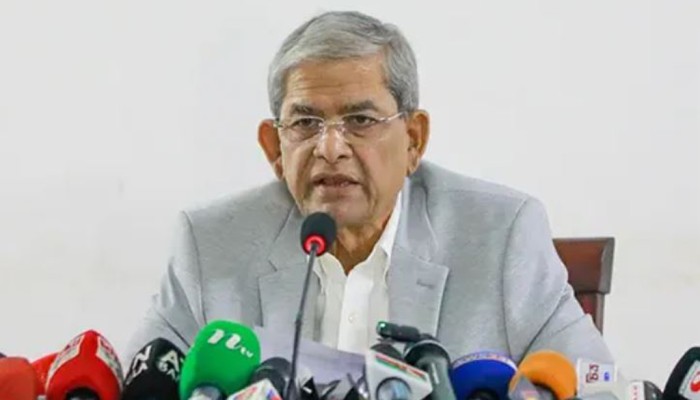
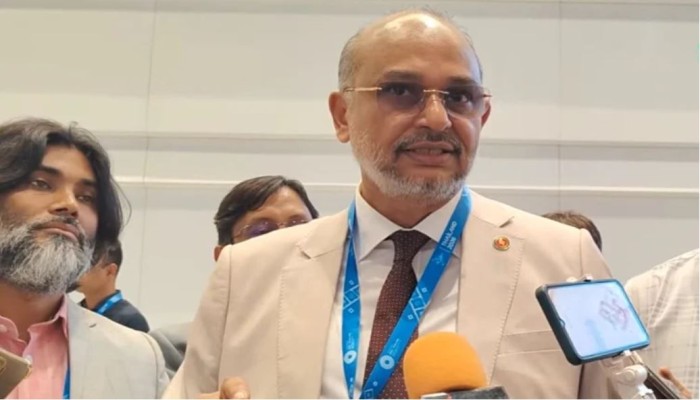
The initiatives are expected to help lift people who have fallen below the poverty line out of poverty while preventing vulnerable households from slipping into poverty, said Prime Minister's Adviser on Finance and Planning Prof Dr Rashed Al Mahmud Titumir.
He made the remarks today while briefing journalists on the sidelines of the annual meetings of the IMF and the World Bank Group in Bangkok.
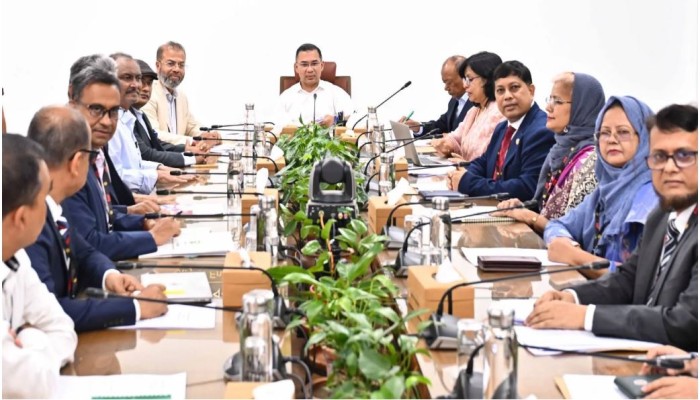
Earlier in the morning, a Bangladesh delegation led by Finance and Planning Minister Amir Khosru Mahmud Chowdhury held meetings with officials of the World Bank, IMF, Standard Chartered Bank and Bank of America.
Dr Titumir said prolonged inflation and the Middle East crisis had increased the cost of living, particularly for low-income and working-class people.
Rising fuel and electricity prices could also affect various sectors of the economy, he added.
"The government is taking necessary measures to address these pressures," he said, adding that it is trying to minimise the additional burden on ordinary people when adjusting fuel prices.
Referring to recent World Bank reports and assessments by international organisations, the adviser said prolonged inflation had increased the risk of more people falling below the poverty line.
According to World Bank estimates cited by him, around eight million people in Bangladesh had fallen below the poverty line due to prolonged inflation in the past.
He said the Family Card and Farmers' Card programmes were expected to play an important role in addressing the situation.
One of the major weaknesses of previous social safety net programmes was the inaccurate selection of beneficiaries, Dr Titumir said.
Many eligible people were excluded, while some ineligible individuals were included in the lists, he added.
To address the problem, the government is emphasising the use of digital public infrastructure to ensure that assistance reaches the actual beneficiaries, he said.
Citing assessments by independent research organisations, the adviser said effective implementation of the Family Card programme could reduce poverty by around five percent.
He said the programmes were not merely aspirational plans but were included in the Prime Minister's election manifesto and the government's five-year economic strategy.
Dr Titumir said strict monetary policy alone would not be sufficient to control inflation, stressing the need for reforms in revenue collection and the financial sector.
The government aims to increase revenue mobilisation and move away from tax evasion, tax fraud and a culture of patronage, he said, adding that revenue collection had already shown positive changes following the reform initiatives.
Revenue growth stood at around three percent in the last fiscal year. However, after the present government assumed office, revenue growth rose to 12-13 percent during the period from mid-February to June 30, he said.
The credibility of the government's reform agenda would be demonstrated through tangible results, the adviser added.
Regarding the IMF's economic projections, he said forecasts should be interpreted in light of their underlying assumptions and the prevailing circumstances.
"The projections should also be viewed against the possible consequences of failing to implement reforms," he said, adding that the government wanted to overcome doubts among international partners stemming from unfulfilled commitments under the previous Sheikh Hasina administration.
Highlighting the need to restore discipline in the banking sector and rebuild depositors' confidence, Dr Titumir said financial losses equivalent to around US$40 billion had come to the fore following widespread irregularities and the siphoning of funds in the past.
The government was working to restore confidence in the banking system, he said.
He noted progress in rebuilding depositors' confidence in Sammilito Islami Bank, saying customers had been able to withdraw money according to their needs since September 1.
Many depositors were also placing money in the bank while withdrawing funds, which he described as an indication of improving confidence.
The decline in Treasury bond interest rates was another positive sign of changes in the financial sector, he added.
Dr Titumir said the Middle East crisis had increased import costs for fuel, liquefied natural gas (LNG) and fertiliser.
However, calculating the additional import expenditure alone would not fully capture the crisis's impact on the economy, he said.
The government's decision to refrain from increasing diesel prices to reduce pressure on farmers should also be taken into account, he added.
Although Bangladesh had no role in creating the crisis, the government was working to address its consequences out of its responsibility to the people, he said.
The adviser said the Prime Minister had adopted a strategy to transform Bangladesh into a manufacturing hub and an export gateway to accelerate economic recovery, create jobs and increase production and exports.
The government's objectives include boosting domestic revenue, restoring confidence in the banking sector and reducing economic pressure on households to create a pathway towards sustainable development, he added.
The 2026 Annual Meetings of the World Bank Group and the IMF are being held in Bangkok, Thailand from October 12 to 18.
The meetings at the Queen Sirikit National Convention Center have brought together finance ministers, central bank governors, policymakers, development partners and private-sector representatives from across the world.
Global economic challenges, development financing, poverty reduction, job creation, investment expansion and financial-sector reforms are among the key issues under discussion.
For Bangladesh, the meetings provide an important opportunity to advance discussions with international partners on economic reforms, development financing and programmes aligned with the country's priorities.
- BSS, BANGKOK, Thailand

 Collected Image